2 November 2026
Field notes: the laydown area that grew three metres until the steel showed up
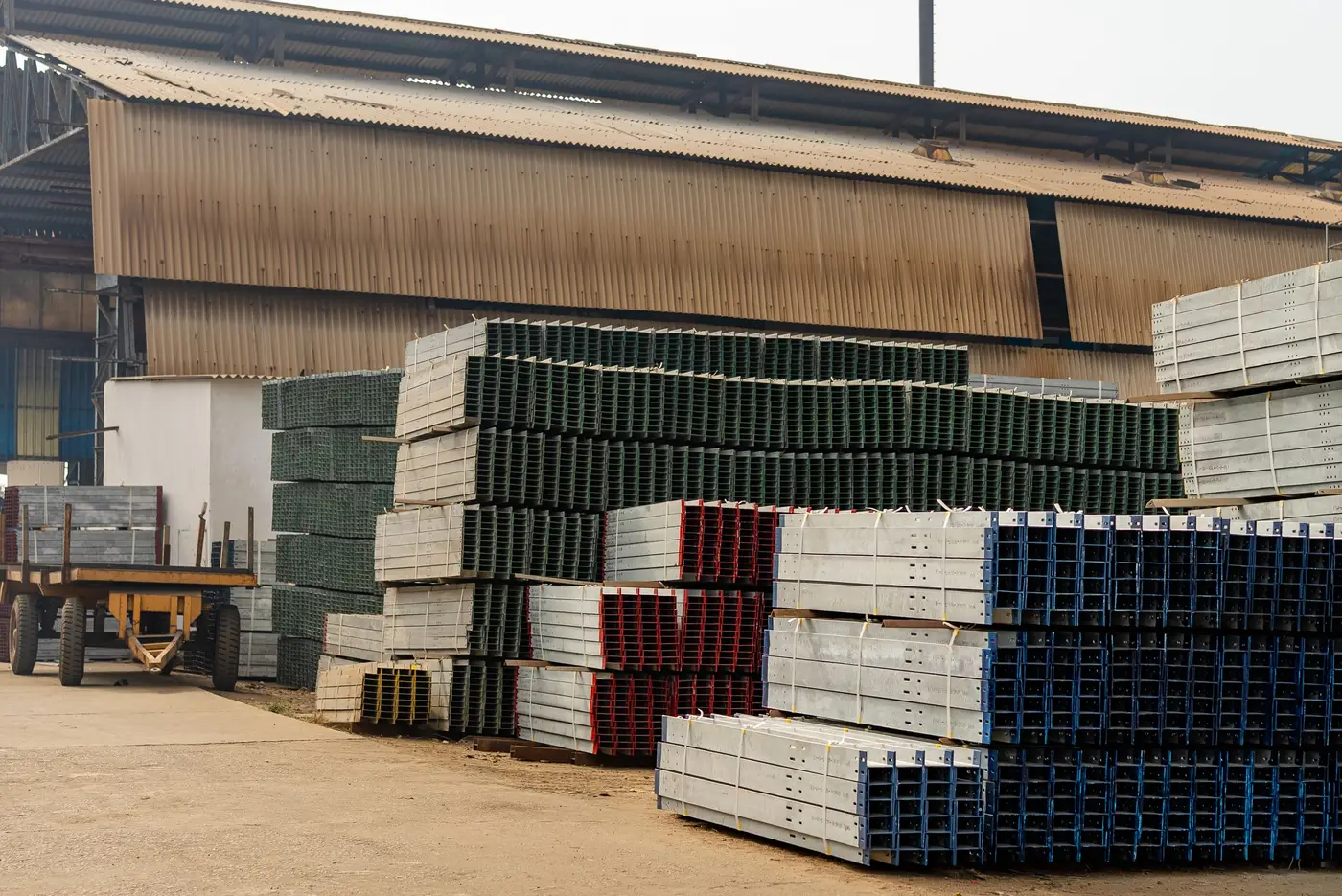
Nobody draws the line wrong on the first day. The laydown pad gets marked out, the logistics plan gets issued, and for a week or two everyone stays inside it. Then a delivery lands a bit early, or a crew runs out of room to stack banding, and a pallet goes down just past the hoarding. Nobody logs it. It's three metres. It's Tuesday.
I've watched this pattern on enough sites now to call it a type, not an incident. A structural steel order gets placed, the fabricator confirms a window, and the site starts clearing ground for it well ahead of delivery because nobody wants steel sitting in a yard somewhere costing storage money. So the laydown area opens early, often before the access route next to it has had its final width confirmed. Then the order slips, the way fabrication orders do: two weeks here, three there, nothing dramatic, just the normal churn of a supply chain under load.
Every week the steel doesn't show, the laydown area that was built to receive it keeps absorbing whatever the site needs to put down somewhere: spoil, formwork timber, a generator nobody's found a home for, the welfare cabin overflow. The footprint creeps outward because the ground's already cleared and nobody wants to re-fence it twice.
By the time the steel arrives, the pad that was scoped for a clean drop-and-stack has eaten into the swept path for the mobile crane, and the route the banksman walks to get eyes on the lift has a stack of 18mm ply sitting where it didn't used to.
The thing that makes this one hard to catch on a walk is that it's never wrong on any given day. A site logistics plan review three weeks ago would have passed. A review last week would have passed. It's the rate that's the problem, not any single state of the yard, and a weekly walk only ever gives you a snapshot, not a rate. You'd need to have walked the same line every week and remembered exactly where the edge sat last time, which is a lot to ask of anyone running a live site with forty other things on the board.
This is the kind of drift that overhead imagery is actually good at catching, because it doesn't need anyone to remember where the line used to be. A weekly pass over the same footprint puts this week's pallet stack next to last week's, and three metres of creep shows up as exactly that: a measurable shift against the plan, not a feeling that something's off. Site Logistics Audit is built around that comparison specifically, a site-wide list each week flagging laydown encroachment, blocked routes and missing edge protection against the plan you issued, so the pad that's swallowing the access route gets flagged in week two instead of discovered the morning the low-loader turns up and the swing radius doesn't clear.
The fix, once it's flagged, is rarely dramatic. Shift the stack two metres, re-tape the boundary, tell the yard team the pad stops where the plan says it stops. The expensive version of this story is the one where nobody flags it until the crane's already rigged and someone's walking the route for the first time that morning, working out in real time whether there's room to swing clear of a stack that wasn't there when the lift plan was drawn.
Steel orders will keep slipping. That's just how fabrication schedules work right now. The laydown area doesn't have to slip with them.
If your site's got a steel delivery sitting a few weeks out and a pad that's already been open for a month, it might be worth seeing what a weekly overhead read would have caught by now.