16 November 2026
Field notes: the Tuesday the laydown area ate the pedestrian route
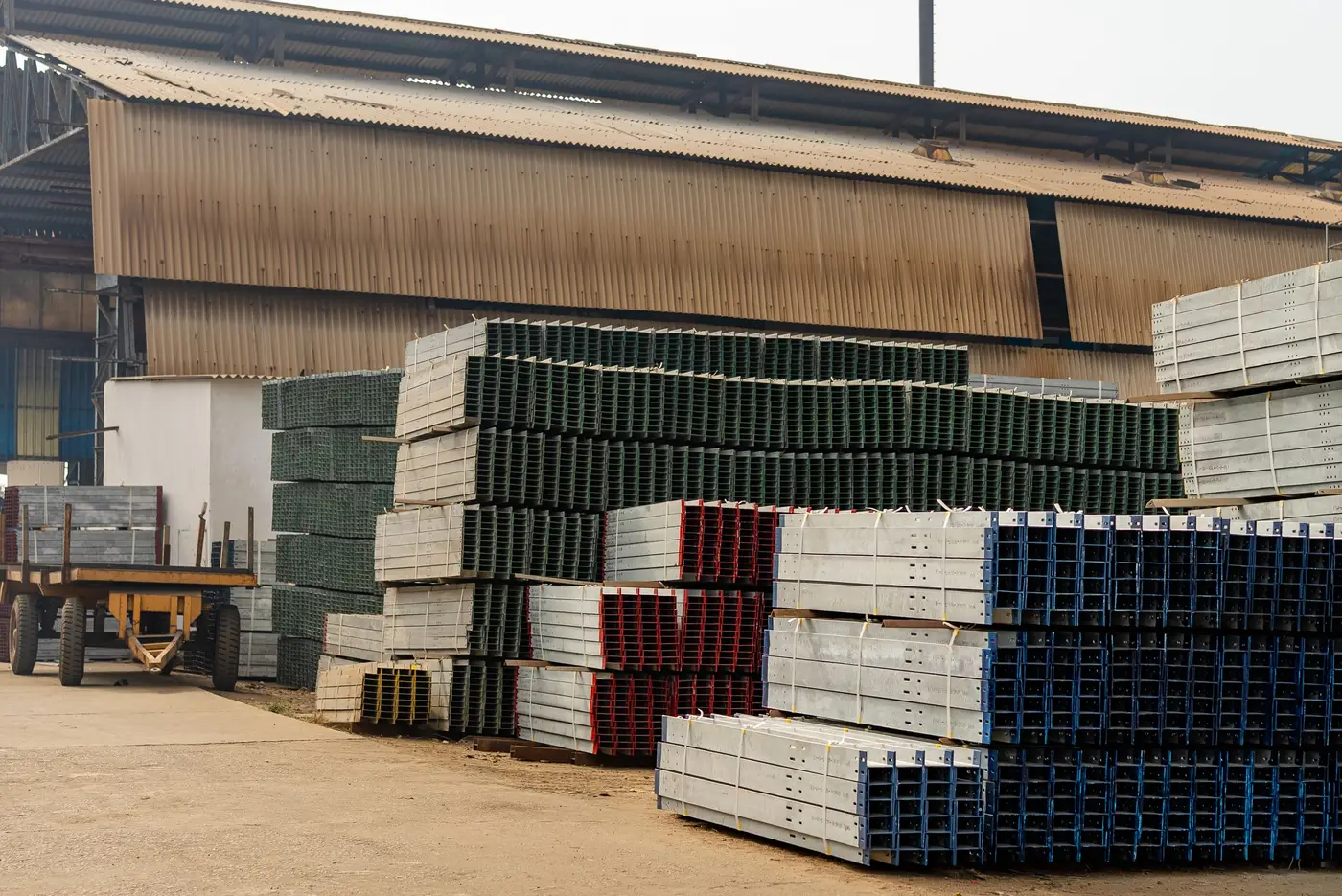
It wasn't a dramatic find. No near miss, no incident report, no red tape strung up in a hurry. Just me, a coffee going cold in my hand, and a pedestrian route that had narrowed down to a wheelbarrow's width somewhere around the second week of October.
The route ran along the east boundary, hoarding on one side, laydown on the other, four hundred millimetres wider than the minimum we'd agreed at the pre-start meeting. It had been fine in September. By the Tuesday I'm talking about, a stack of formwork panels had crept out from the laydown, then a pallet of rebar had gone down next to it because the banksman needed somewhere flat and close for the next lift, then someone had wedged a water bowser into what was left. The walkway that remained was bounded on one side by a reversing telehandler's swing radius.
Nobody had done anything wrong, exactly. Each delivery had landed where the last gap allowed. That's the thing about laydown creep: it's never one bad decision, it's forty small reasonable ones, each made by someone who couldn't see the one before it.
I found the site logistics plan pinned up in the site office and took it down to check. Revision 3, dated the second week of August. Nine weeks old. The laydown boundary on that drawing was a tidy rectangle, forty metres off the hoarding line, with the pedestrian route running clean along the edge like it was supposed to. Nothing about that drawing was wrong when it was issued. It was just no longer true.
This is the part of the job nobody puts in the induction video: the logistics plan is a photograph, and the site is a film. Every delivery, every crane pick, every contractor who decides a corner of the yard is a reasonable place to stage pipe for a week, moves the actual boundary a little further from the one on paper. Walk it often enough and you catch the drift before it matters. Miss a fortnight and you find out the hard way, usually because someone on foot has to step into the swept path of plant to get past a stack that wasn't there last time they walked it.
We closed it out that afternoon. Relocated the rebar, cut the formwork stack back to the marked line, got a banksman briefed on the new swing clearance, and I walked the rest of the perimeter twice to make sure nothing else had wandered while I wasn't looking. It cost us an hour and a toolbox talk. It would have cost a lot more if the route had stayed buried through a night shift delivery, when the lighting's worse and the person walking it is tired and just wants to get to the welfare unit.
Nine weeks is a long time for a boundary to be wrong and nobody to notice, on a site where I thought I was reasonably on top of it. I walk a lot of perimeter. I don't walk all of it, every week, with fresh eyes that aren't already primed to see what they expect to see.
That's the gap we built Site Logistics Audit to sit in: a weekly overhead read of the whole plan, flagging encroachments and blocked routes before they turn into the thing you're writing up on a Friday. Not a replacement for the walk, a second set of eyes that doesn't get used to the view.
If your pedestrian route has been losing ground and nobody's noticed yet, that's worth a look before the next Tuesday finds it for you.