26 October 2026
How to check wheel-wash compliance on a muddy site
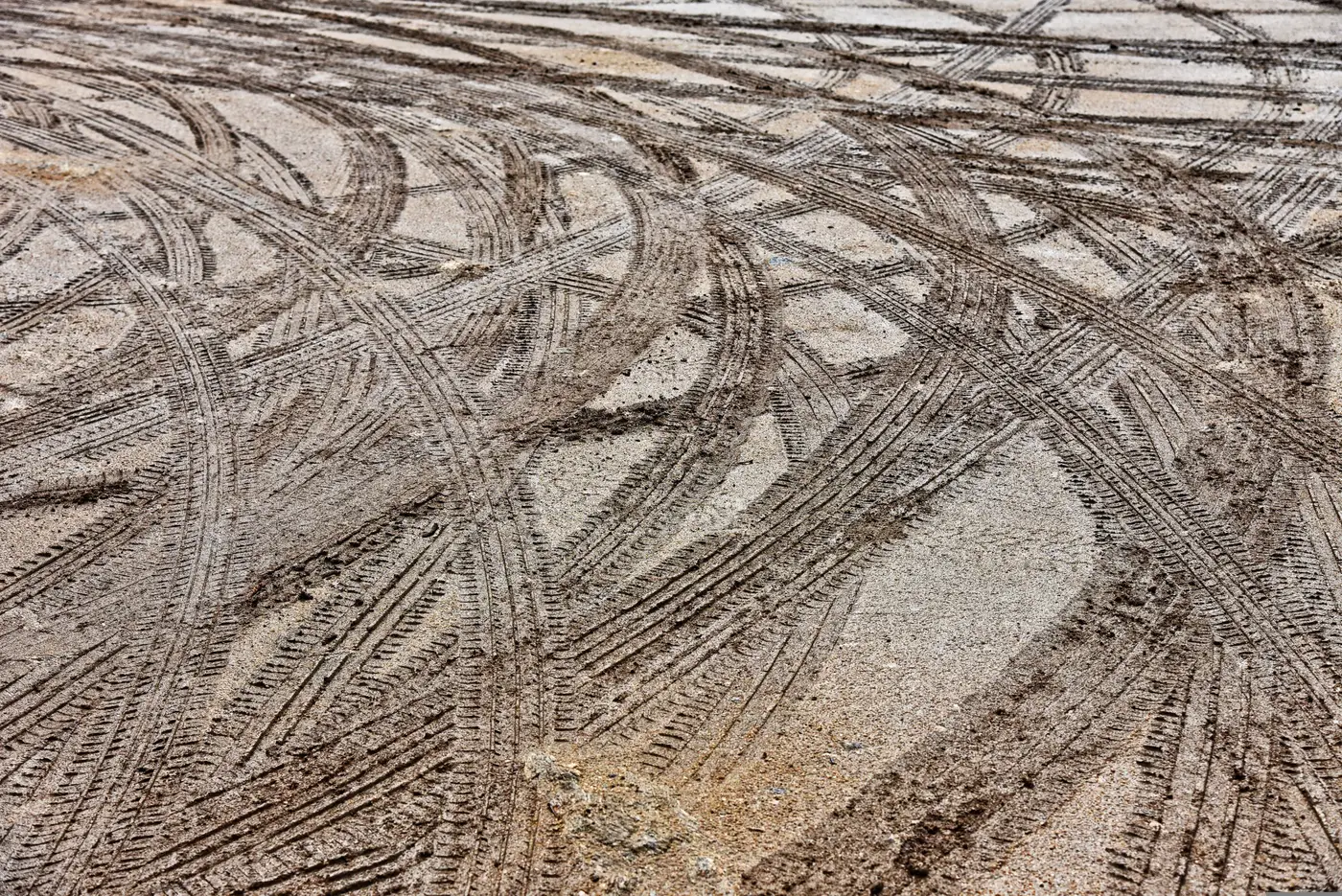
Mud on the public road is one of the fastest ways a site ends up in front of the council. A wheel wash that's working fine on Monday can be overwhelmed by Wednesday's rain, and the first anyone outside the fence knows about it is a trail of sediment down the carriageway and a phone call from the highway authority. Checking wheel-wash compliance properly means looking at the unit itself and at what's landing on the road, not just one or the other.
What a wheel-wash inspection covers
A proper check isn't a glance at the rig as a truck rolls through. It's:
- Jets covering the full wheel and arch height, not just the tyre tread
- Water pressure enough to shift bonded clay, not just loose surface mud
- Settlement tank or lagoon not silted up to the point it's recirculating dirty water
- An operative on shift who can stop a vehicle and send it back through if it's still filthy
- Road sweeper coverage past the gate, on a schedule that matches how wet the ground is that week, not a fixed Tuesday regardless of weather
- Discharge running back to the silt trap, not into a roadside ditch or surface drain
Most of that needs eyes on the unit, hands on the valve, and a look in the tank. No amount of imagery replaces someone standing at the gate during a wet shift.
Mud on road enforcement looks at the output, not the equipment
Highway officers and council enforcement teams don't generally care whether your wash has three jets or five. They care about the strip of mud on the public carriageway outside your gate, how long it's been there, and whether it's been cleaned up within a reasonable time. That's the evidence that triggers a notice: visible trackout length along the road, standing silt at the junction, wet weather dragging it further each time a wagon passes.
This is where a lot of site paperwork and a lot of enforcement don't line up. The wheel wash log says the unit ran all week. The road outside tells a different story if trackout built up overnight, if a second informal exit got used to dodge a queue, or if the sweeper missed a run on the one day it actually mattered.
Where a daily walk stops being enough
A site inspector doing the daily walk catches the unit itself: is it on, is someone using it, is the tank clear. What a single walk round the compound doesn't easily catch is the pattern across the week and across the whole perimeter, not just the main gate. Haul routes shift as the job progresses, a secondary access gets opened for a delivery and never properly closed off, laydown creeps toward an edge that was supposed to stay clear. Spotting those changes by walking the full logistics plan every week takes a lot of hours that most site teams don't have spare.
That's the gap a weekly overhead read of the whole site layout is built for: a flagged list of where trackout, access routes and the rest of the logistics plan have moved since last week, without someone having to walk the entire boundary to find it.
A short wheel-wash and trackout checklist
Before an inspector or council visit, check:
- Wash unit running and attended, not left on auto with nobody watching it
- Full jet coverage, no dry patches on the arch or tread
- Settlement tank below the level where it starts recirculating silt
- Public road swept or washed within the agreed distance from the gate, on a schedule that matches the weather, not the calendar
- No second gate or informal haul route bypassing the wash entirely
- Discharge routed to the silt trap, not a road drain
Get those six right on a wet week and most mud-on-road complaints never reach the council's desk.
If your site's logistics plan has grown past what a weekly ground walk can realistically cover, it's worth seeing what a weekly site-wide flag list would have caught this week.