19 October 2026
Toe board vs guardrail: what counts as compliant edge protection
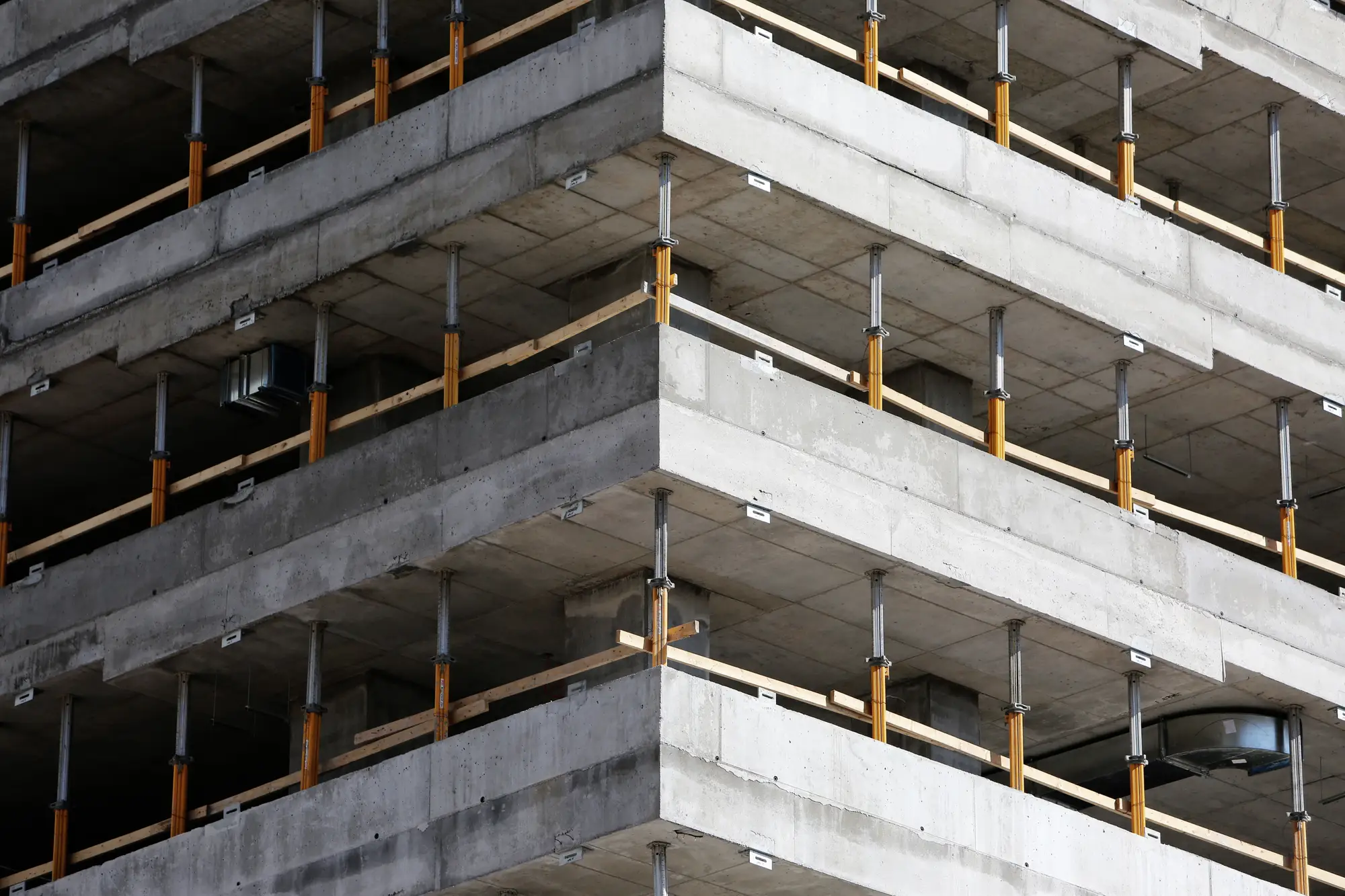
A toe board and a guardrail are not interchangeable, and treating one as a substitute for the other is one of the more common findings on a site walk. They sit on the same edge, but they're stopping two different things from going over it.
What each one is for
A guardrail stops a person falling from height. A toe board stops materials, tools and debris from rolling or kicking off the working platform onto whoever's below. Under the Work at Height Regulations 2005, Schedule 2, you generally need both wherever there's a risk of falling or a risk of something falling, which on most live sites is everywhere at once.
The guardrail spec most sites work to:
- Top guardrail at not less than 950mm above the edge
- An intermediate guardrail or equivalent protection, so the gap between any two elements doesn't exceed 470mm
- The whole assembly able to resist the loads set out in the regs, not just "something bolted on"
Toe boards sit at the base of the platform, generally a minimum of 150mm, closing the gap between the deck and the bottom rail so nothing can skid underneath it. On a scaffold with a loaded board next to an active drop zone, a missing toe board is the difference between a dropped spanner landing on the deck and a dropped spanner landing on someone's hard hat two floors down.
Where sites fail this
The failure mode is rarely "no edge protection at all." It's usually partial: a top rail with no intermediate, a toe board removed to get a load in and never refitted, or a guardrail run that stops three metres short of where the slab edge actually is because the original RAMS didn't account for a later change to the sequence. Inspectors and principal contractors flag these as the same category of defect as having nothing up at all, because functionally, that's what they are.
The other recurring one is edge protection that was compliant when it went up and isn't anymore. Leading-edge protection gets struck by plant, leaned on by material deliveries, or dismantled for a crane pick and left down "for now." A toe board kicked loose during a concrete pour doesn't get flagged until someone's doing a walk, and on a site with multiple active fronts, that walk might be days away.
What a weekly check needs to catch
The compliance question isn't really "is there a guardrail." It's "is the guardrail that's there still at height, still continuous, and still got its toe board," on every open edge, every week, not just the ones someone happened to walk past. That's a lot of linear metres of slab edge and scaffold run on a site of any size, and most of it isn't checked until it's someone's job to specifically go and look.
An overhead pass can't tell you whether a rail will hold its design load. What it can do is flag the edges where protection looks missing, broken, or shorter than the run it's meant to cover, so your team isn't relying on whoever last walked that corridor noticing. Site Logistics Audit turns a weekly flyover into a site-wide list of exactly those gaps, laydown encroachment and blocked routes included, so the walk starts with "go fix these six edges" instead of starting from zero.
A quick reference
- Guardrail top rail: minimum 950mm above the working platform
- Intermediate rail: gap no more than 470mm from top rail or toe board
- Toe board: minimum 150mm, closing the gap to the deck
- Both required wherever there's a fall risk and an object-fall risk together, which is most open edges on an active build
None of this replaces a competent person doing the detailed check. But it's worth knowing which edges to send them to first.
If your edge protection register is still built from someone's memory of last Tuesday's walk, it might be worth seeing what a weekly overhead pass turns up.