13 October 2026
What counts as a blocked fire route on a construction site
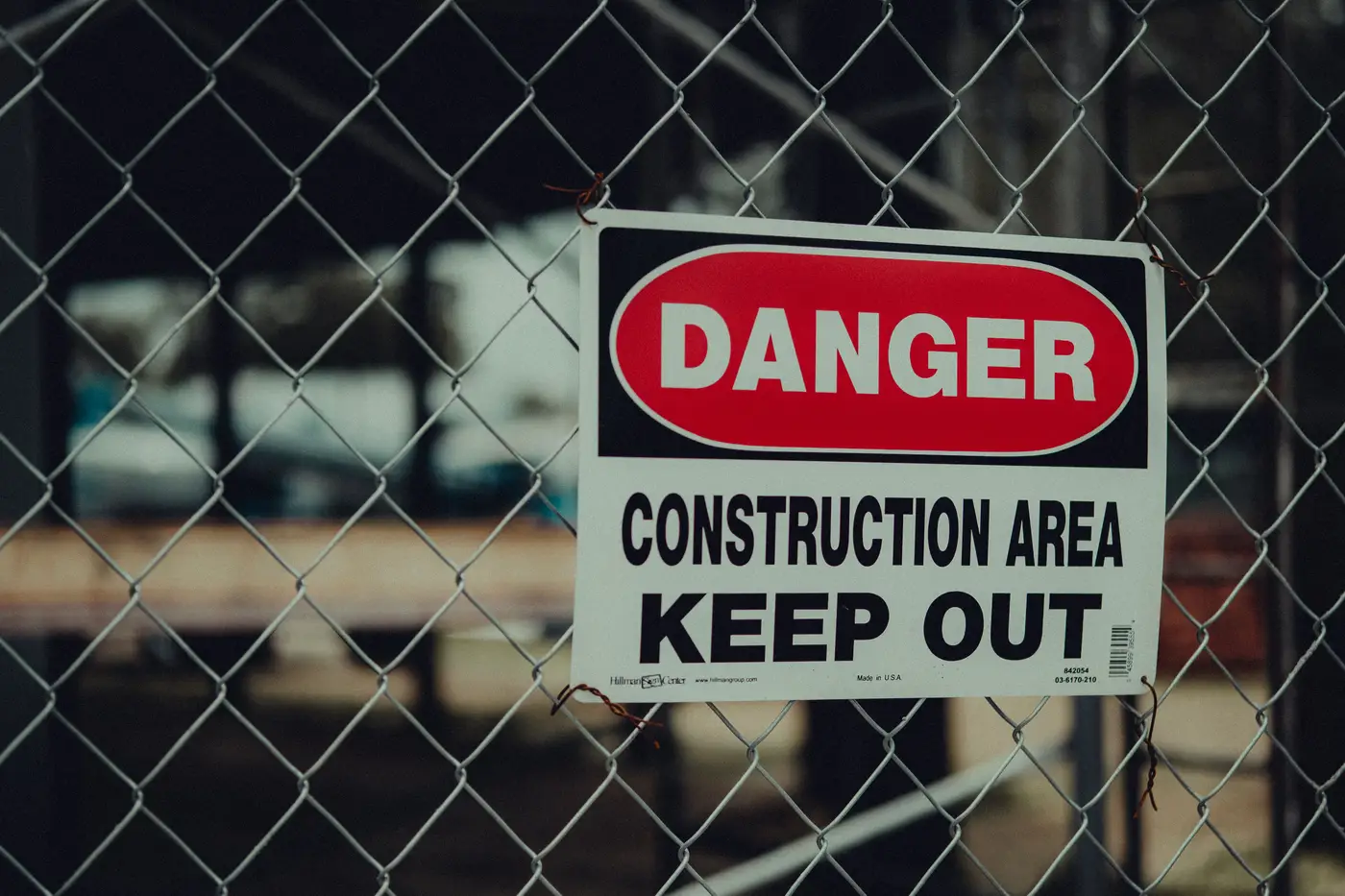
Most sites don't lose their fire route to one bad decision. They lose it a pallet at a time.
A load gets dropped off the back of a wagon because the laydown area is already full. A skip gets swapped and the new one sits six inches further out than the old one. A scaffold gang leaves their boards stacked against the hoarding overnight, meaning to move them in the morning. None of that looks like an incident waiting to happen. It looks like Tuesday.
The working definition
A fire route counts as blocked when it can no longer take a pump appliance in and get people out at the width and line agreed in the site logistics plan. Enforcement and insurers apply that test on the day: does the route work as drawn, right now, not whether it worked when the plan was signed off.
In practice, enforcement and insurers look at a few concrete things:
- Width. Most fire and rescue services want a minimum running width, typically around 3.7 m for a pumping appliance, though your local service's operational guidance and your fire risk assessment set the number for your site. Narrow that with stacked timber, a parked telehandler, or a generator and the route fails even if it's "mostly clear."
- Turning and access at the building. A route that's wide enough along its length but can't get a tender to within pumping distance of a hydrant, or can't turn an appliance around, is still blocked. Width alone doesn't pass it.
- Surface and gradient. Rutted ground, standing water, or a surface that's been churned by plant traffic can stop a route being usable even with nothing physically sitting on it. This gets missed a lot, because nobody's "placed" an obstruction. The ground just degraded.
- Gates and barriers left shut, or site plant left live across the route. A closed gate that should be an emergency exit, or a crane slewing over the only access in, counts the same as a stack of blockwork.
None of this is exotic. It's the stuff every site accumulates between toolbox talks, which is exactly why it's so easy to miss on a walk-round that happens once a fortnight.
Who's on the hook when it gets flagged
Under CDM 2015, the principal contractor is responsible for maintaining safe access and egress throughout the works, and that includes keeping the routes shown in the construction phase plan clear in practice, not just on paper. If an HSE inspector or your local fire service turns up and finds a route obstructed, the usual outcome is an improvement notice, and persistent or serious cases can mean a prohibition notice stopping work in that area until it's cleared. Insurers ask the same question after a fire: were the agreed routes actually open on the day. "The plan showed it clear" doesn't help much if the photos say otherwise.
The awkward part is that blocked-route violations rarely show up where you're already looking. The laydown area that was fine in week three creeps outward by week nine because deliveries keep coming and nobody's told to move the overflow. A site logistics plan is a snapshot of intent. What happens on the ground drifts from it steadily, and a walked inspection only catches the drift on the day someone walks it.
Catching the drift before it's a finding
This is the gap a weekly overhead pass closes. Instead of relying on someone noticing a stack has crept two metres onto the fire route during a site walk that might happen every few weeks, a weekly aerial read of the whole logistics plan flags laydown encroachment, blocked routes and missing edge protection against the layout you agreed, every week, without anyone walking the full perimeter to find it.
If your fire routes have a habit of narrowing between inspections, it's worth seeing what a weekly overhead check would have caught on your own site.